
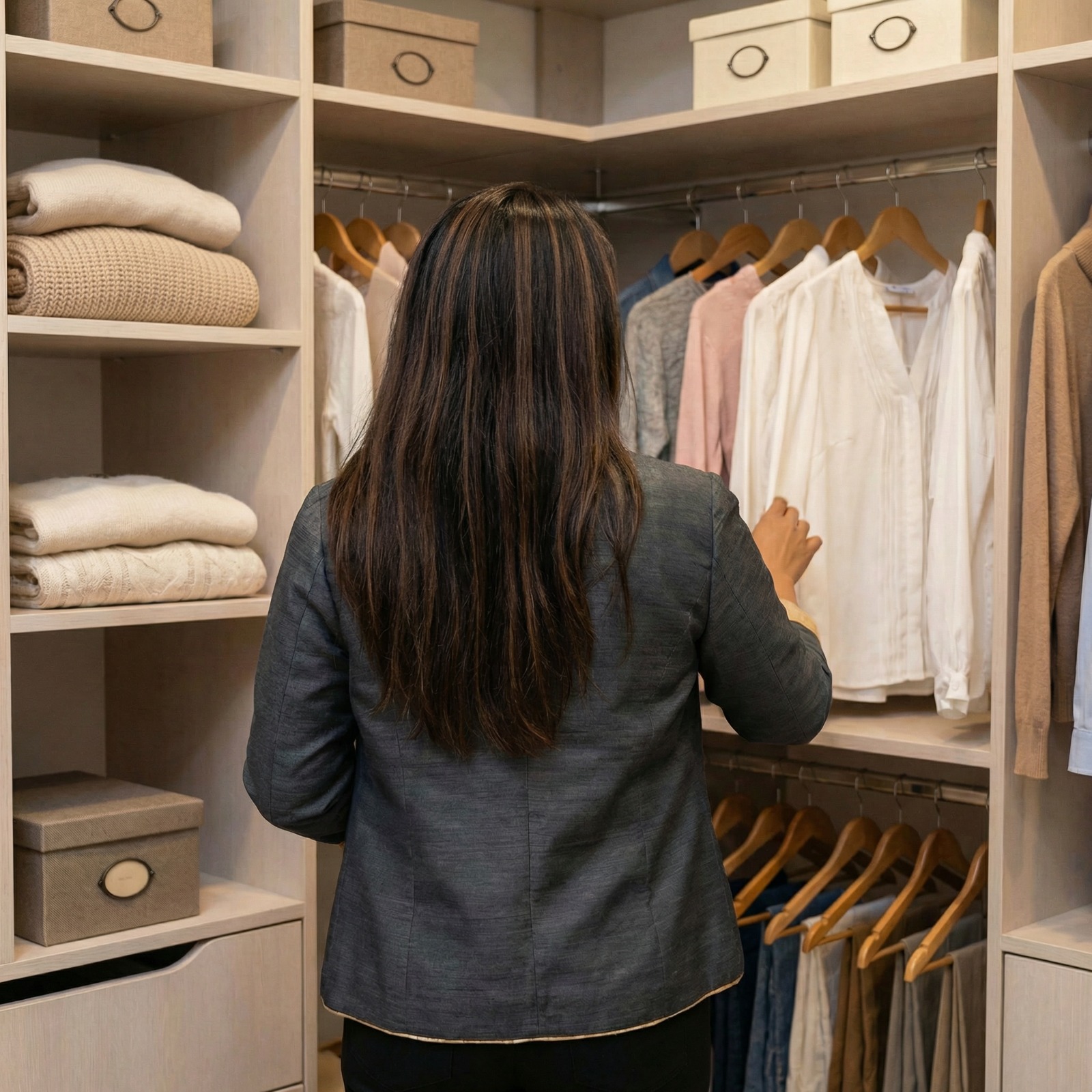
Fashion is constantly evolving, and 2025 is bringing fresh, bold trends to the forefront. Whether you’re into minimalist chic or statement pieces, there’s something for everyone. Here are the top trends you need to watch out for this year….
Continue reading →Today, what we wear carries more meaning than ever before. Clothing is no longer just about style—it reflects social justice, environmental responsibility, and ethical decision-making. Shoppers are increasingly asking important questions: Where are our clothes made? Who makes them, and under what conditions? Where is the fiber grown, and how far does it travel before reaching our hands?
Having worked closely with sustainable textile systems, I’ve seen how deeply interconnected the fashion supply chain is—and how easily it can be disrupted or exploited. For years, the dominant model was fast fashion: inexpensive, trend-driven clothing designed for short-term use, fueling overproduction, waste, and environmental harm.
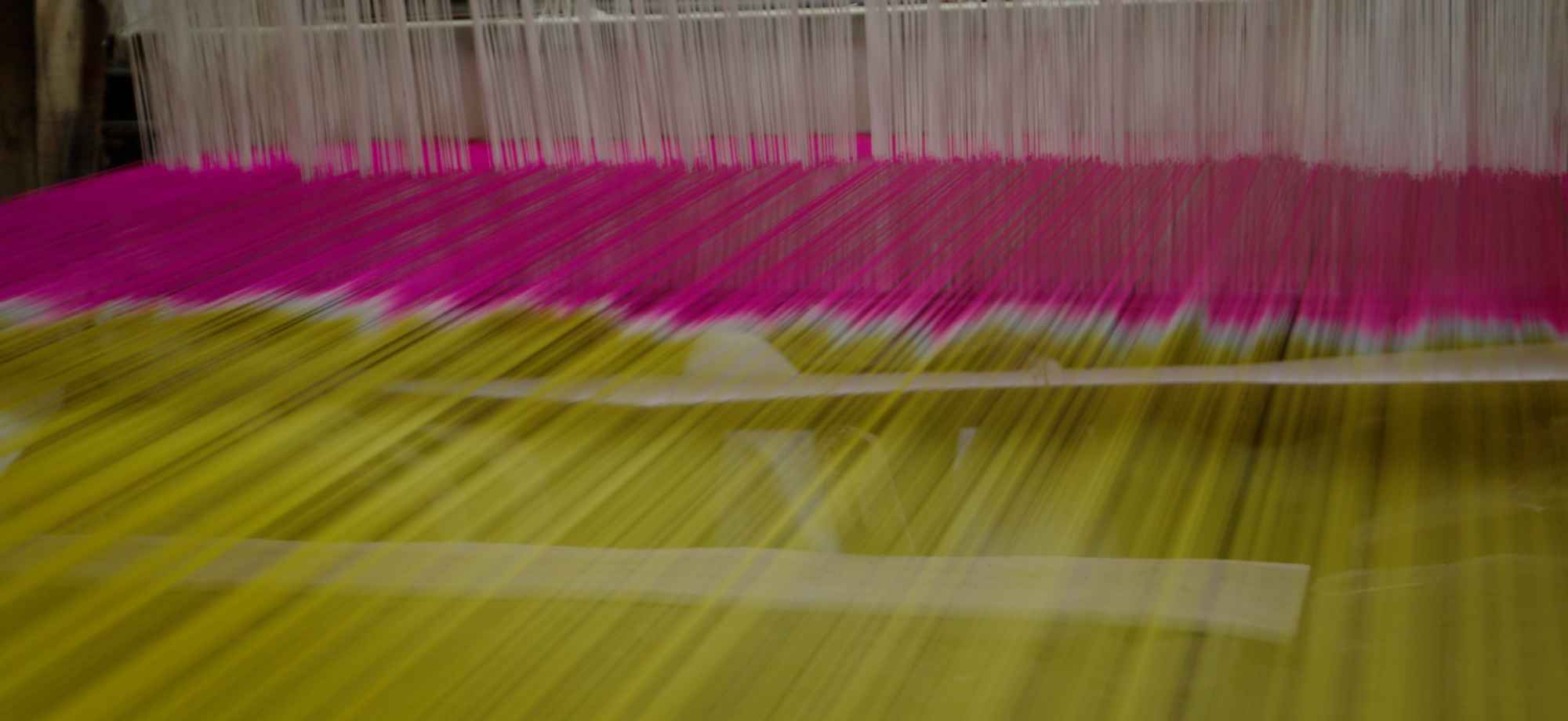
In response, a growing movement known as slow fashion has emerged. Slow fashion emphasizes mindful buying, durability, and care. It recognizes that what we choose to purchase, wear, repair, or redesign—rather than discard—has lasting consequences for both people and the planet. It’s not about buying more; it’s about buying better.
This shift toward responsibility is now reflected in policy. In 2024, California became the first U.S. state to pass SB 707, the Responsible Textile Recovery Act, which holds clothing producers accountable for the full lifecycle of their products—from design and production to reuse, repair, and recycling. This landmark legislation marks a significant step toward a circular textile economy.
To better understand circular fashion, the work of the Ellen MacArthur Foundation offers essential insight into designing waste out of the system, while companies like Looptworks demonstrate how discarded textiles can be transformed into new fibers and products in practice.
Slow fashion is not a trend—it is a necessary evolution. Every garment tells a story, and with more informed choices, we can help ensure that the story respects people, craftsmanship, and the planet we share.

Through CBU Productions, Connie researches, writes, and speaks to connect people and communities across the educational, governmental, and business sectors, helping them understand the social and environmental value of our clothing and textile products.